
Unlocking the power of immune cells: discover how they’re transforming inhalation toxicology
Immune cells are reshaping inhalation toxicology by offering deeper insights into respiratory and systemic effects of tested compounds. In the second ImmuBYTES webinar, ‘Immune cells as predictive tool for toxicology’, Dr. Ewelina Hoffman highlighted the crucial role of alveolar macrophages in improving preclinical safety assessments.
Key highlights include:
1. Immune cells & alveolar macrophages
As the lungs’ first line of defence, alveolar macrophages clear foreign substances and regulate inflammation. They influence both local and systemic effects, yet conventional in vitro models often overlook them. Their foamy morphology may signal adverse or adaptive responses, emphasising the need for immune-inclusive assessments.2. Endpoints in inhalation toxicology
Lung complexity and limitations of current testing methods make toxicity assessments challenging. ImmuONE’s four assessment packages address these gaps:- Cell health: metabolic activity, membrane integrity, apoptosis/necrosis markers;
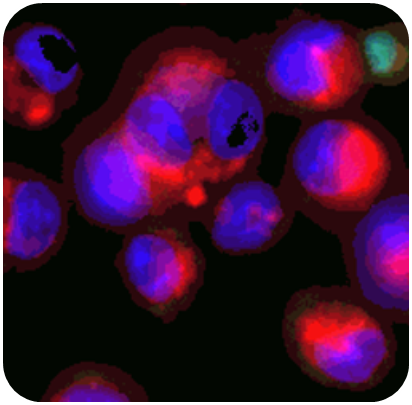
- Morphometric analysis: imaging and quantification of macrophage morphology;
- Inflammation: macrophage polarisation, cytokine release, oxidative stress;
- Clearance: phagocytic activity and motility assessment.